

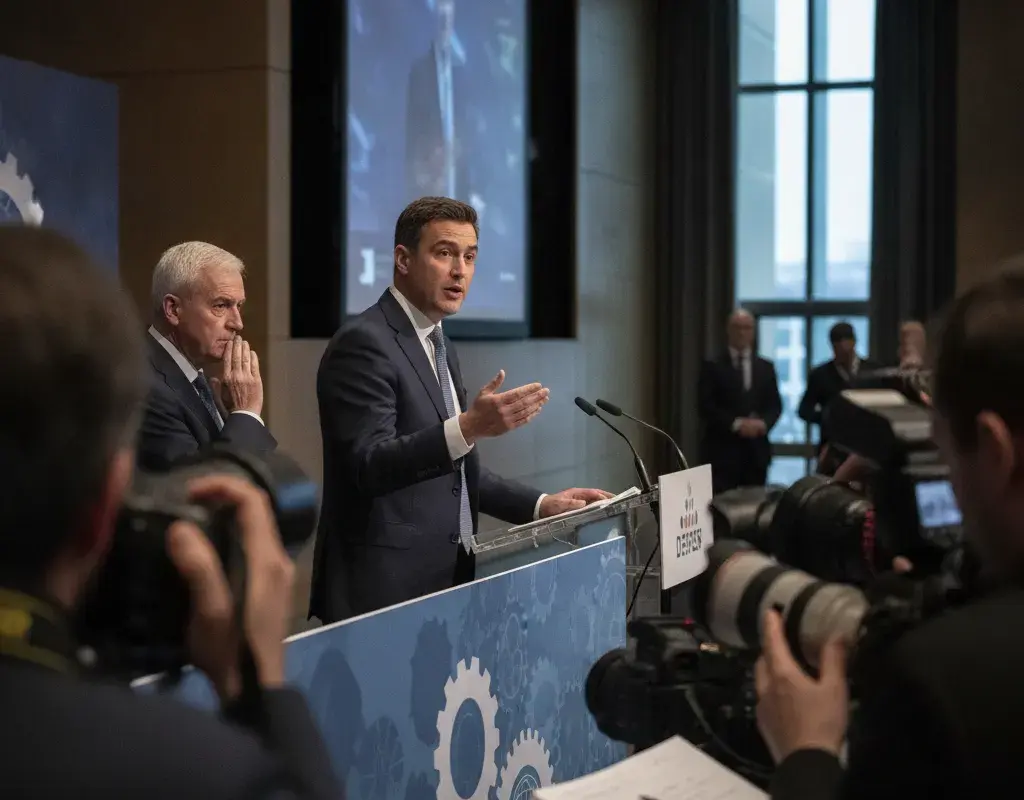
The British government is introducing a strict new set of requirements for international defense firms, ensuring that any large contract awarded to a foreign company results in direct benefits for the domestic economy. Defense Secretary Wes Streeting announced that overseas contractors securing deals worth more than 50 million pounds will now be expected to invest an equivalent sum back into the United Kingdom. This offset strategy aims to provide what Streeting calls bang for the British buck by funneling funds into local factories, job creation, and specialized skills training.
Scheduled to take effect on a case by case basis starting in April 2027, these rules align the UK with nations such as Poland and Norway, which employ similar mandates to maximize the economic return on military spending. While the government maintains its preference for buying British whenever possible, these measures serve as a safeguard to ensure that when foreign equipment is essential, the workforce and industrial base at home still reap the rewards. The announcement coincided with a high profile visit to BAE Systems shipbuilding sites in Glasgow, highlighting the focus on heavy industry.
This move arrives amidst an intensifying political battle over whether the UK can actually afford its goal of spending 3 percent of GDP on defense by 2030. Critics from both sides of the aisle have accused the administration of stalling on concrete funding plans during recent budget discussions. Tan Dhesi, chair of the Commons defense select committee, warned that delays in rebuilding capabilities could leave the nation vulnerable, while Conservative leader Kemi Badenoch argued that Chancellor John Healey has failed to present a viable roadmap toward the expenditure target.
In response to these pressures, Streeting has defended the timeline, arguing that waiting until next year’s comprehensive spending review allows ministers to evaluate priorities across all departments rather than making rushed commitments. He acknowledged that there is no sugarcoating the reality of a decade characterized by underinvestment in the armed forces, suggesting that current efforts are focused on stabilizing readiness while navigating incredibly tight public finances. Some estimates suggest reaching these goals may require an annual increase of roughly 10 billion pounds in spending.